
The Invisible Work Behind The Likes: What Content Creation Really Costs
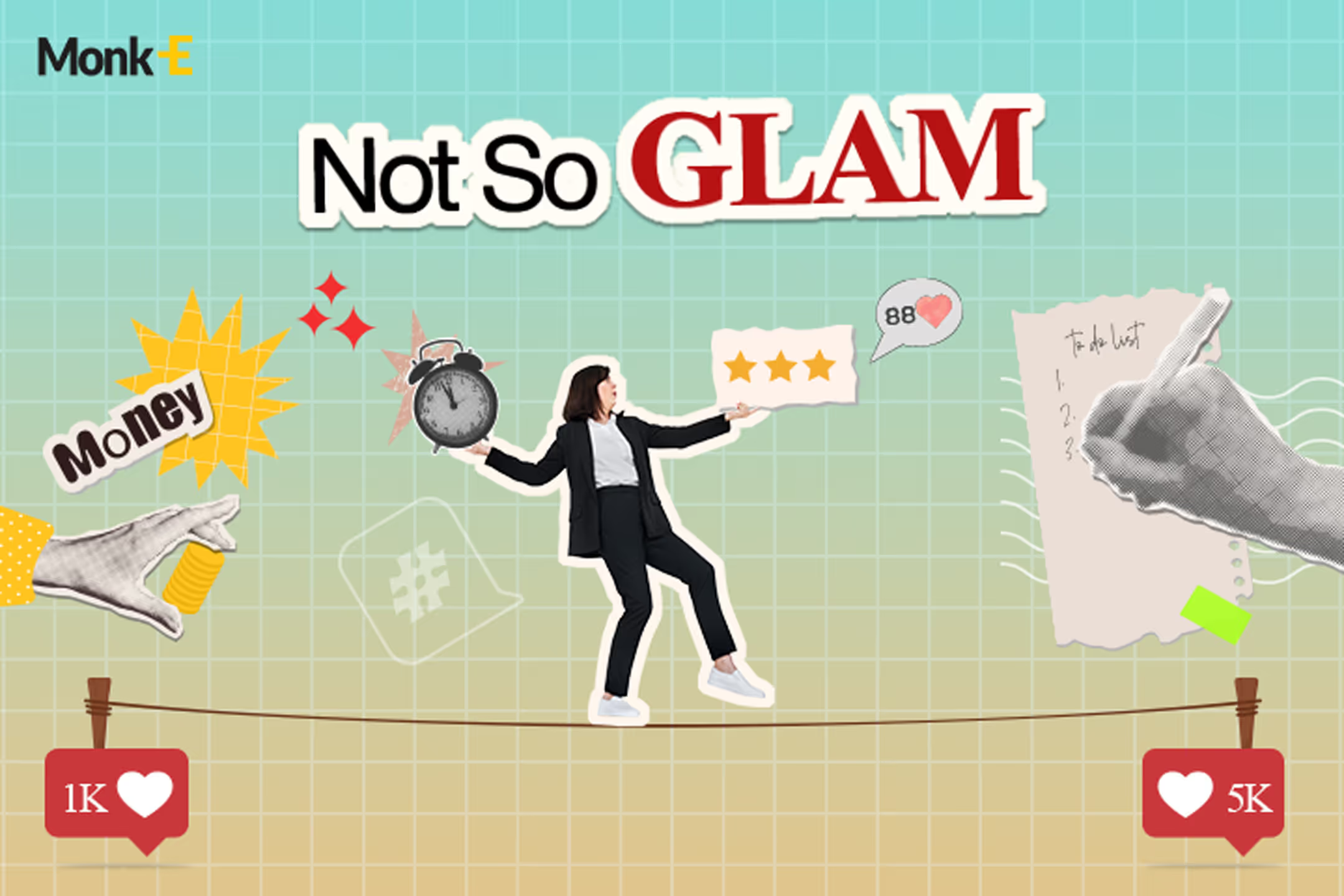

Scene 1: The “It’s Just a Reel, Right?” Illusion
Ah yes, the world’s most misunderstood sentence: “You just post videos.”
If only.
A 30-second Reel = 3 hours of ideation, scripting, shooting, editing, captions, hashtags, re-edits, thumbnail changes, brand approvals, and anxiety over “why is this stuck at 2,843 views?”
The irony? The better it looks, the harder it was.
According to The Creator Burnout Report by Viral Nation, 52% of creators report burnout, and 37% are considering leaving their careers altogether.
Behind every “effortless vibe” video is a full production team of one person - you.
Scene 2: The Cost of “Aesthetic”
Let’s talk numbers, not filters.
Creators don’t just invest time - they invest in a lifestyle that looks like the job they want.
Cameras, tripods, mics, editing software, ring lights, props, outfits, setups, and café coffees labeled “shoot day essentials.”
As per industry leaders, a mid-tier Indian creator spends anywhere between Rs 15,000-Rs 50,000 a month on equipment, aesthetics, and ad-hoc production costs.
It’s like being your own ad agency - only you’re the intern, the boss, and the brand face.
Scene 3: The Mental Gym Nobody Talks About
Every creator’s brain runs on a dual-core system:
● Algorithm anxiety (“Did I post too late?”)
● Comparison syndrome (“Why did their ‘get ready with me’ get 500k?”)
Constant self-surveillance - every post is a report card.
Even rest days feel like guilt trips.
The MBO Partners Creator Economy Trends Report 2024 found that “almost half (46 %) of independent creators reported it’s hard to be successful in the creator economy, and 41 % said they struggle with burnout.”
This isn’t vanity - it’s visibility fatigue.
Scene 4: The “Brand Deal” Myth
Let’s debunk the holy grail of influencer life - the brand collab.
Sure, the Rs 50K campaign looks glamorous, but behind it?
● 12 back-and-forth emails
● 3 revised captions
● 1 unpaid “bonus deliverable”
● 1 delayed payment
And here’s the kicker: Even with India’s booming creator economy, 88% of content creators still earn less than 75% of their income through social media, and over half make under 25% of their total earnings from digital content, as per Kofluence’s Annual Research Report 2024-25.
Most are juggling multiple gigs just to afford the “creator life” people think they’re rich from.
Scene 5: The Burnout Paradox
Creators often don’t quit because they’re tired - they quit because they no longer recognise themselves.
One viral post can skyrocket your reach but wreck your rhythm.
The better you perform, the more the audience expects.
And soon, you’re no longer creating for joy - you’re creating to maintain momentum.
Many call it “success stress.” Creators start equating “being loved” with “being visible.”
Scene 6: The Agency Angle - The Backstage Enablers
Here’s what brands and influencer agencies often miss:
Creators aren’t deliverables - they’re creative humans operating on emotional bandwidth.
When brands micromanage, underpay, or expect overnight drafts, they aren’t just killing creativity - they’re devaluing the product and the person.
Agencies like Monk-E are beginning to prioritise wellness check-ins and creative flexibility - because a burnt-out creator can’t sell authenticity, no matter how good the lighting.
Scene 7: The Real ROI - Rest Over Influence
We romanticise hustle, but burnout has no aesthetic.
It doesn’t photograph well.
Creators who sustain are the ones who set boundaries - the ones who post less but live more.
Because real influence doesn’t come from posting daily.
It comes from having something real to say.
End Credits
Influence may look like luxury.
But behind the gloss lies grind, behind the likes lies labour.
So the next time someone says, “Must be nice to be an influencer,”
show them your unpaid invoices, your 48-hour edit timeline, and your draft folder titled ‘Burnout but make it content.’
That’s the real influencer economy - powered by invisible work, visible passion, and the quiet chaos of creation.
Read More Articles
When Creators Became Search Engines
A few years ago, if you wanted to know the best ramen spot in Delhi, you’d Google it.
Today, you type it into Instagram. Or YouTube. Or sometimes you don’t even type. You just trust that a creator you follow has already done the homework for you.
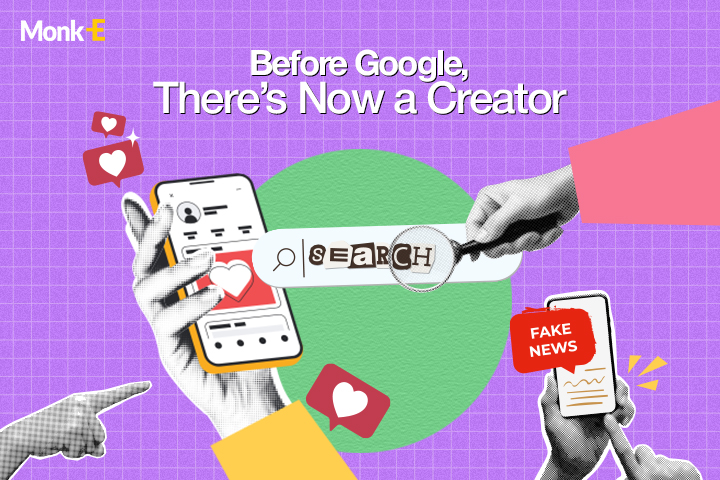
Somewhere between reels, vlogs and “things you must try before you die” lists, creators have quietly stepped into a role search engines once dominated: answers.
Search, But With Personality
Traditional search gives you links. Creators give you context.
Instead of scrolling through ten articles about the “best cafes in Bandra,” you watch one creator walk into the place, order the coffee, complain about the seating and rate the croissant.
Suddenly the information feels…usable.
This is why queries that once lived on Google now live on social feeds:
-Best cafes in Bangalore
-Budget travel hacks
-Skincare routines for Indian skin
-Laptop recommendations for students
People want answers, yes. But increasingly, they want answers from someone they recognise.
The Trust Shortcut
Creators work as search engines for one simple reason: trust. Google may give you 50 results for “best protein powder.” A fitness creator you follow gives you three options and a brutally honest take on which one tastes like chalk.
It’s not always objective. But it feels real.
And for audiences navigating everything from skincare ingredients to travel planning, that sense of lived experience matters more than algorithmic ranking.
Discovery Is Moving to Social
This shift has quietly changed how brands think about discovery. Products are no longer found only through ads or search pages. They’re discovered through:
-a creator’s “things I bought this month” video
-a cafe recommendation reel
-a tech review shot in someone’s bedroom
The search journey now often begins with a person, not a platform. Which is why brands increasingly care about being present in creator conversations - not just search results.
The Human Search Result
Of course, creators don’t replace search engines entirely. But they do something search engines can’t: they filter the internet through human experience.
A travel creator doesn’t just tell you where to go. They tell you whether the crowd is unbearable, whether the food is overrated and whether the place is actually worth the hype.
That’s not just information. That’s judgement.
And in the endless chaos of the internet, sometimes the most valuable thing isn’t more results. It’s someone saying, “Don’t bother. This one’s better.”
The Creator Economy’s Most Underrated Platform: YouTube Shorts
There’s a certain predictability to creator economy conversations in India.
Instagram comes up first. Always.
Then maybe a passing mention of long-form YouTube. And somewhere in between, brand folks talk about reels, reach, and what’s “working right now.”
YouTube Shorts rarely enters that conversation with the same urgency.
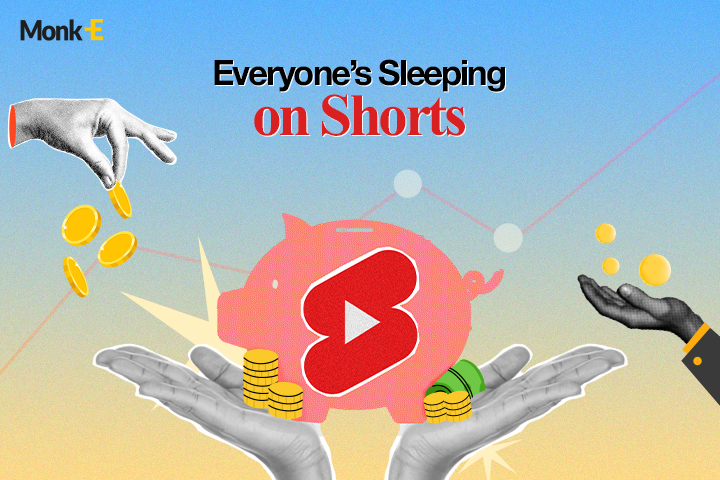
Which is strange, because if you look closely, it’s doing a lot more than people give it credit for.
Shorts doesn’t behave like Instagram. That’s probably why it’s misunderstood. On Instagram, content lives and dies by momentum - the first few minutes, the early engagement, the algorithm deciding whether you’re worth pushing further.
Shorts feels…slower. But also steadier.
A video doesn’t necessarily peak and disappear. It keeps floating. It resurfaces. Sometimes days later. Sometimes weeks. Creators who’ve spent enough time on the platform will tell you this: a video you forgot about can suddenly pick up traction out of nowhere.
That doesn’t happen as often elsewhere.
There’s also the audience itself. Shorts reaches a version of India that Instagram doesn't fully touch - smaller cities, different language preferences, users who aren’t necessarily following creators but are constantly consuming them.
Which means discovery works differently here.
On Instagram, you often grow through followers. On Shorts, you grow through distribution.
The platform doesn’t always care if someone knows you. It cares if your content is worth showing again. That’s a big shift.
For brands, this creates an odd gap.
On one hand, Shorts offers massive reach, strong repeat visibility, and a user base that is still expanding in meaningful ways. On the other, it doesn’t have the same cultural signalling as Instagram yet.
A reel feels like a moment.
A Shorts video feels like…content.
So naturally, budgets lean toward what feels visible. But that gap is also where the opportunity sits. Because while everyone competes for attention on one platform, another one quietly becomes less crowded, more forgiving, and in many ways, more scalable.
Creators, of course, have already figured this out.
Many of them aren’t choosing between platforms anymore. They’re repurposing, adapting, and in some cases, building entirely separate audiences on Shorts. It’s not unusual to see someone with modest Instagram numbers pull significantly higher views on YouTube Shorts.
Different algorithm. Different audience behaviour. Different outcome.
The interesting part isn’t that Shorts is growing. It’s that it’s growing without demanding attention. No loud narrative. No “this is the next big thing” moment.
Just consistent distribution, wide reach, and a platform that keeps showing content to people who didn’t know they were looking for it.
And maybe that’s why it’s underrated.
Not because it’s small.
But because it doesn’t try too hard to prove that it isn’t.